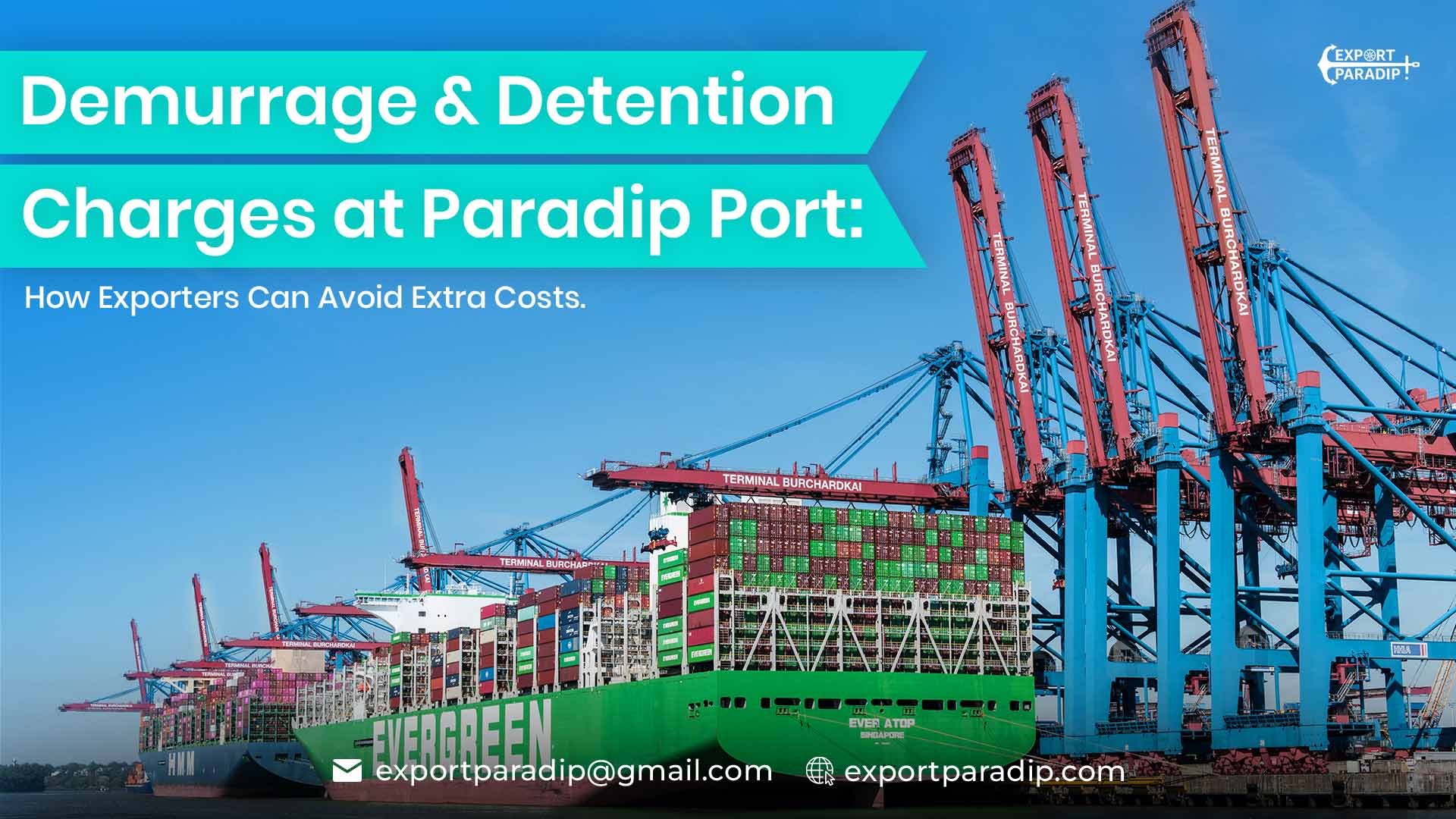
One Missed Deadline Can Delay Your Entire Shipment
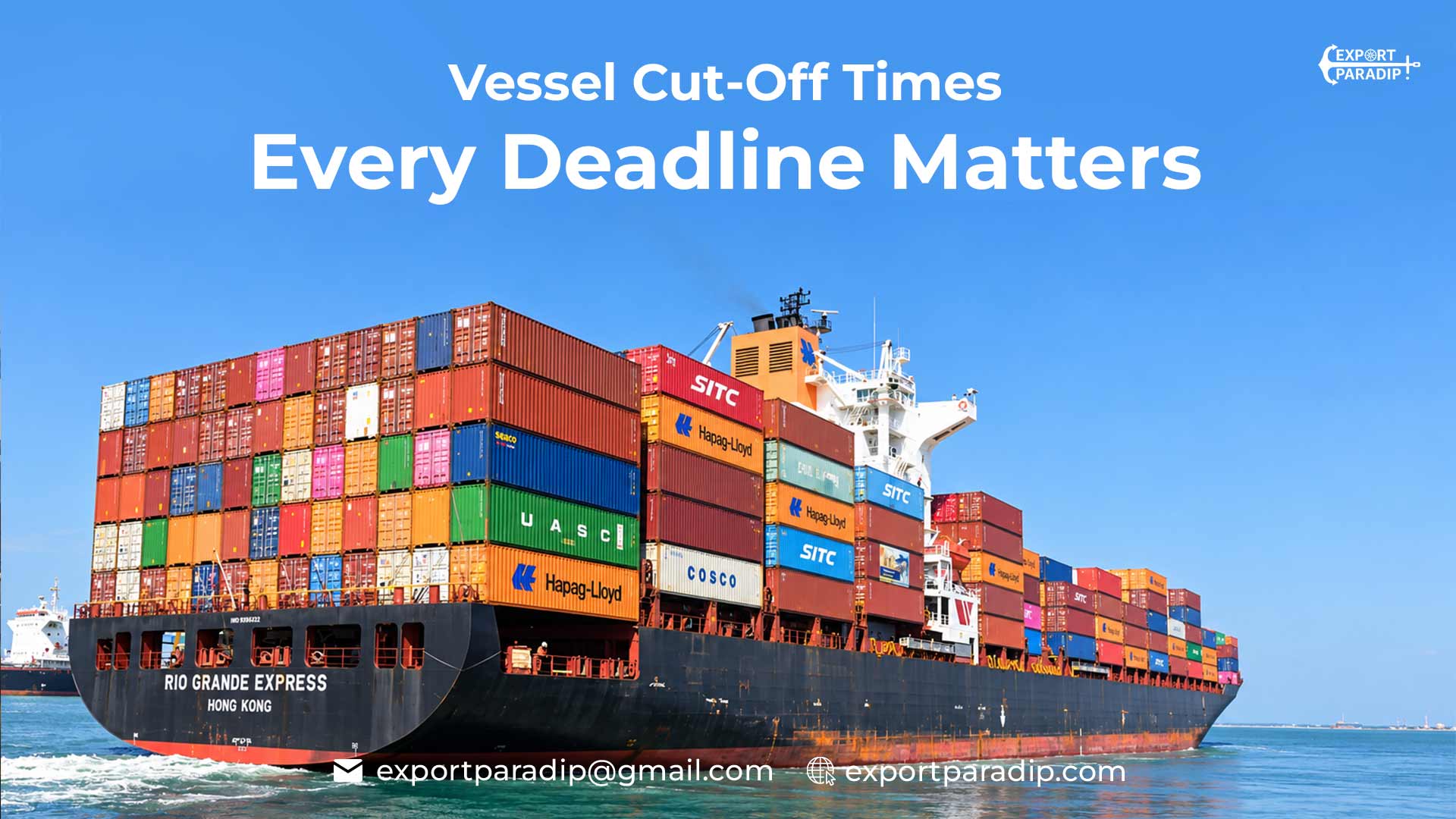
Your cargo is packed, the truck is ready and your buyer expects the shipment to leave on time. But there's one important detail many exporters overlook: the vessel cut-off time.
A missed shipping deadline can mean your cargo doesn't make the planned sailing. Suddenly, you're dealing with revised schedules, additional transport arrangements and an unhappy buyer waiting for an update.
For businesses exporting through Paradip Port, managing shipping deadlines is just as important as preparing the cargo itself. Whether you're shipping minerals, agricultural products or containerised goods, understanding cut-off requirements can help you avoid unnecessary delays and keep your export schedule under control.
What Is a Vessel Cut-Off Time?
A vessel cut-off is a deadline set by a shipping line, terminal or cargo-handling operator for completing a particular requirement before loading.
Not every shipment follows the same process. Containerised cargo may have separate terminal gate-in, shipping instruction and customs-related deadlines. Bulk cargo follows vessel-specific loading arrangements and port operational requirements.
Three important deadlines exporters should understand are:
-
Cargo cut-off: The latest time cargo must be delivered or made available under the agreed loading arrangements.
-
Documentation cut-off: The deadline for submitting shipping instructions and other required information.
-
Customs clearance deadline: The point by which necessary clearance must be completed for the planned movement. Missing one deadline can affect the entire shipment, even when the cargo is physically ready.
Why Do Exporters Miss Shipping Cut-Off Times?
Several small operational problems can quickly turn into a missed vessel schedule.
Late cargo dispatch: Delays at factories or warehouses can prevent shipments from reaching the terminal on time.
Incomplete documentation: Incorrect invoices, packing lists or shipping instructions may hold up processing.
Transport coordination issues: Truck shortages, traffic disruptions and unexpected route delays can affect cargo arrival.
Customs-related delays: Additional examinations or incomplete declarations can interrupt clearance.
Vessel schedule changes: Revised arrival times, berth availability and port congestion may change the planned loading window.
During adverse weather, particularly cyclone season, these problems can become harder to manage. Our Cyclone Season Shipping Guide explains how weather warnings can disrupt vessel movement and cargo schedules.
How to Plan Cargo Dispatch Before the Cut-Off
Good shipment planning starts well before the vessel reaches Paradip Port.
1. Confirm every deadline. Contact your shipping line, freight forwarder or appointed agent for the applicable cargo, documentation and clearance cut-offs. Request confirmation in writing.
2. Prepare documents before dispatch. Keep your commercial invoice, packing list, shipping instructions and required permits ready for review.
3. Calculate cargo volume and transport needs. Use the CBM & Container Calculator to support container planning where applicable.
4. Build a realistic transport buffer. Allow additional time for loading, road conditions, terminal procedures and unexpected delays.
5. Coordinate with everyone involved. Ensure your factory, transporter, clearing agent and freight forwarder are working against the same deadlines.
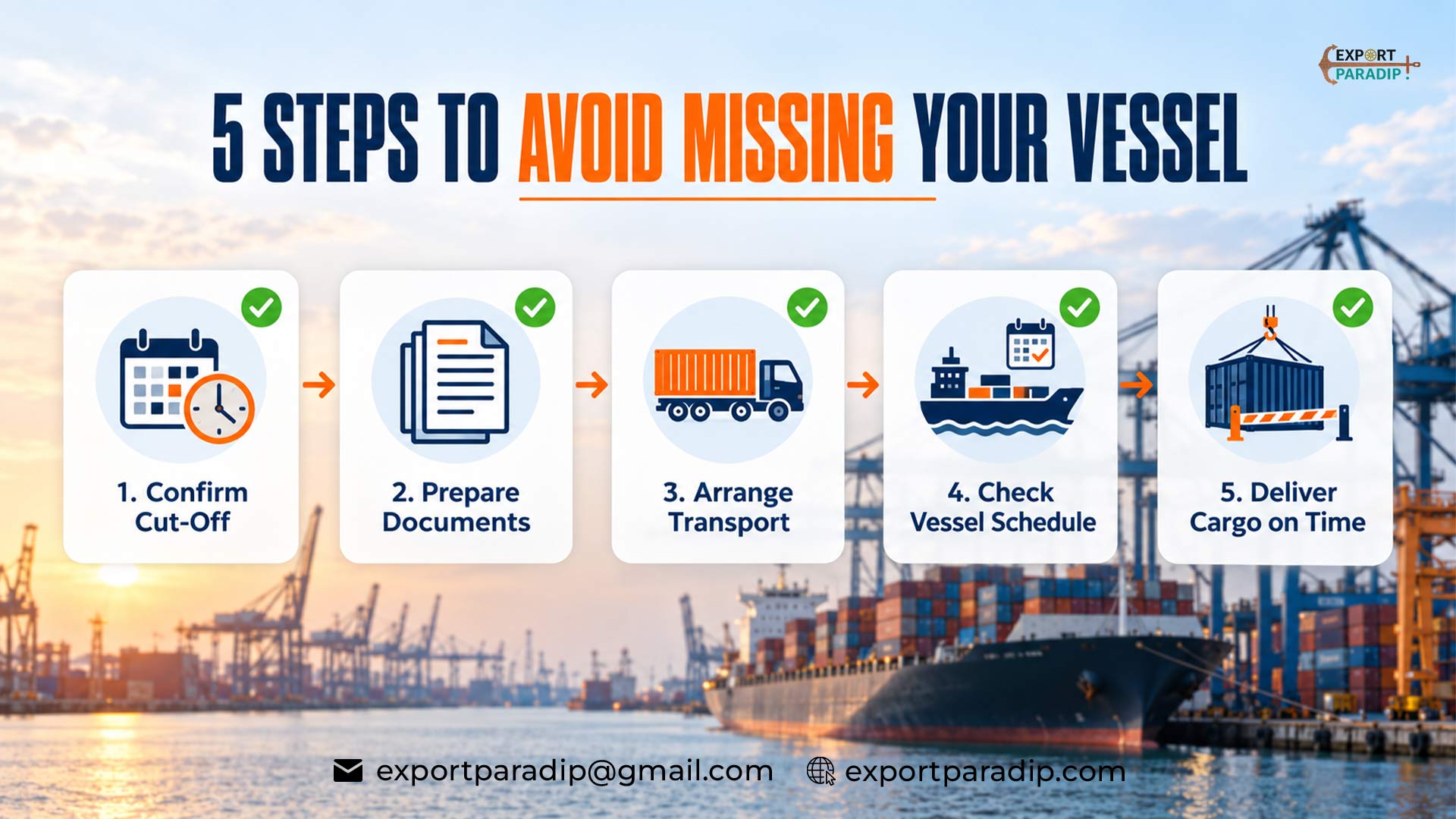
A simple shared shipment schedule can prevent costly misunderstandings.
Track Vessel Movement Before Releasing Cargo
Your original booking confirmation may not reflect the latest operational situation.
Vessels can arrive earlier or later than expected, while berth schedules may change due to weather, congestion or cargo-handling requirements.
Use Export Paradip's Vessel Map to view vessel positions and the Vessel Line-Up Schedule to review planned vessel movements.
These tools can support dispatch planning, but exporters should confirm official deadlines and operational instructions with the responsible shipping line, terminal or vessel agent. Tracking vessel movement is useful. Tracking the correct deadline is essential.
What Happens If You Miss a Cut-Off?
Missing a cut-off doesn't always mean the shipment is cancelled. However, it may prevent cargo from being included in the planned loading operation.
Depending on the circumstances, exporters could face:
-
Rebooking onto a later sailing.
-
Additional storage or equipment-related charges.
-
Revised transport and handling arrangements.
-
Delayed delivery commitments to international buyers.
-
Extra administrative work and documentation updates.
Not every delay results in additional charges. Actual liability depends on the service agreement and applicable tariffs. If a deadline has already been missed, contact your shipping line or agent immediately. Ask whether late acceptance is possible, what alternatives are available and whether additional costs will apply.
Then inform your buyer of any confirmed change to the expected shipment date.
How Better Coordination Protects Your Export Business
Missing a sailing creates more than a scheduling inconvenience. It can interrupt buyer production plans, affect payment timelines and reduce confidence in future deliveries.
Exporters can reduce these risks by setting internal deadlines earlier than the official cut-offs, checking documents in advance and monitoring vessel updates.
Use the Export Documentation Checklist to support paperwork preparation and the Port Distance & Sailing Days Calculator for preliminary voyage planning.
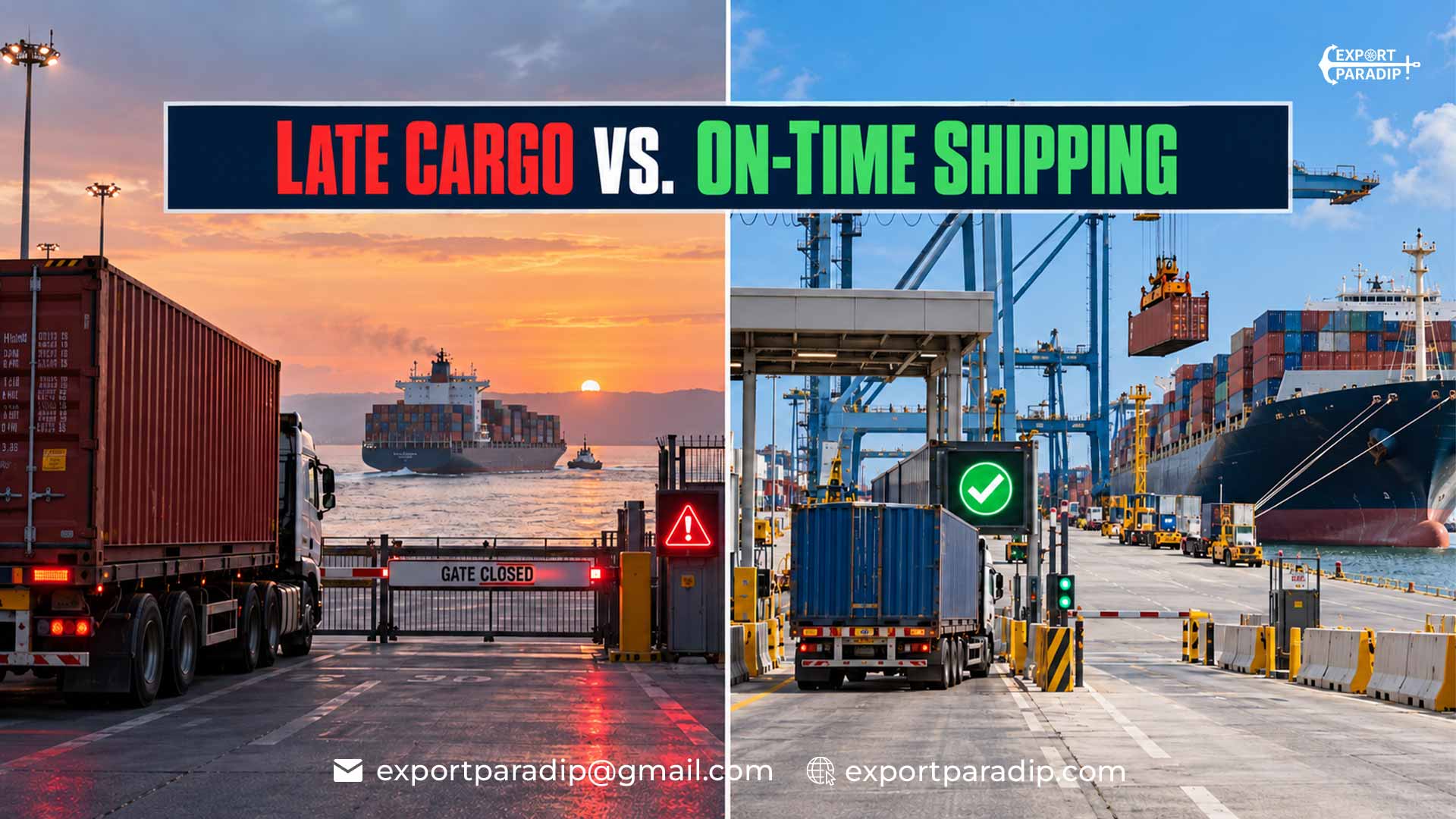
Conclusion: Meet the Deadline, Protect the Shipment
Successful exporting isn't only about delivering the right product. It's also about ensuring that cargo, documents and transport arrangements are ready at the right time.
Before your next shipment through Paradip Port, confirm every cut-off, coordinate dispatch and stay informed about vessel schedules. Explore Export Paradip's online tools or contact our team for assistance with export planning.
FAQ's
What is a vessel cut-off time?
It is a deadline established for cargo delivery, documentation or another shipping requirement before a planned vessel loading operation.
Are vessel cut-off times the same for every shipment?
No. Deadlines depend on the shipping line, terminal, cargo type and operational arrangements. Always confirm the requirements for your specific shipment.
Can cargo still be loaded after missing the cut-off?
Sometimes, but late acceptance depends on operational conditions and approval from the responsible parties. It should never be assumed.
How can exporters track vessel schedules at Paradip Port?
Use Export Paradip's Vessel Map and Vessel Line-Up Schedule, while confirming binding deadlines with your shipping line or appointed agent.
What is the best way to avoid missing a shipping deadline?
Prepare documents early, confirm cut-offs in writing, coordinate transportation and monitor schedule changes before releasing cargo.