Introduction: A New Chapter for Paradip Port
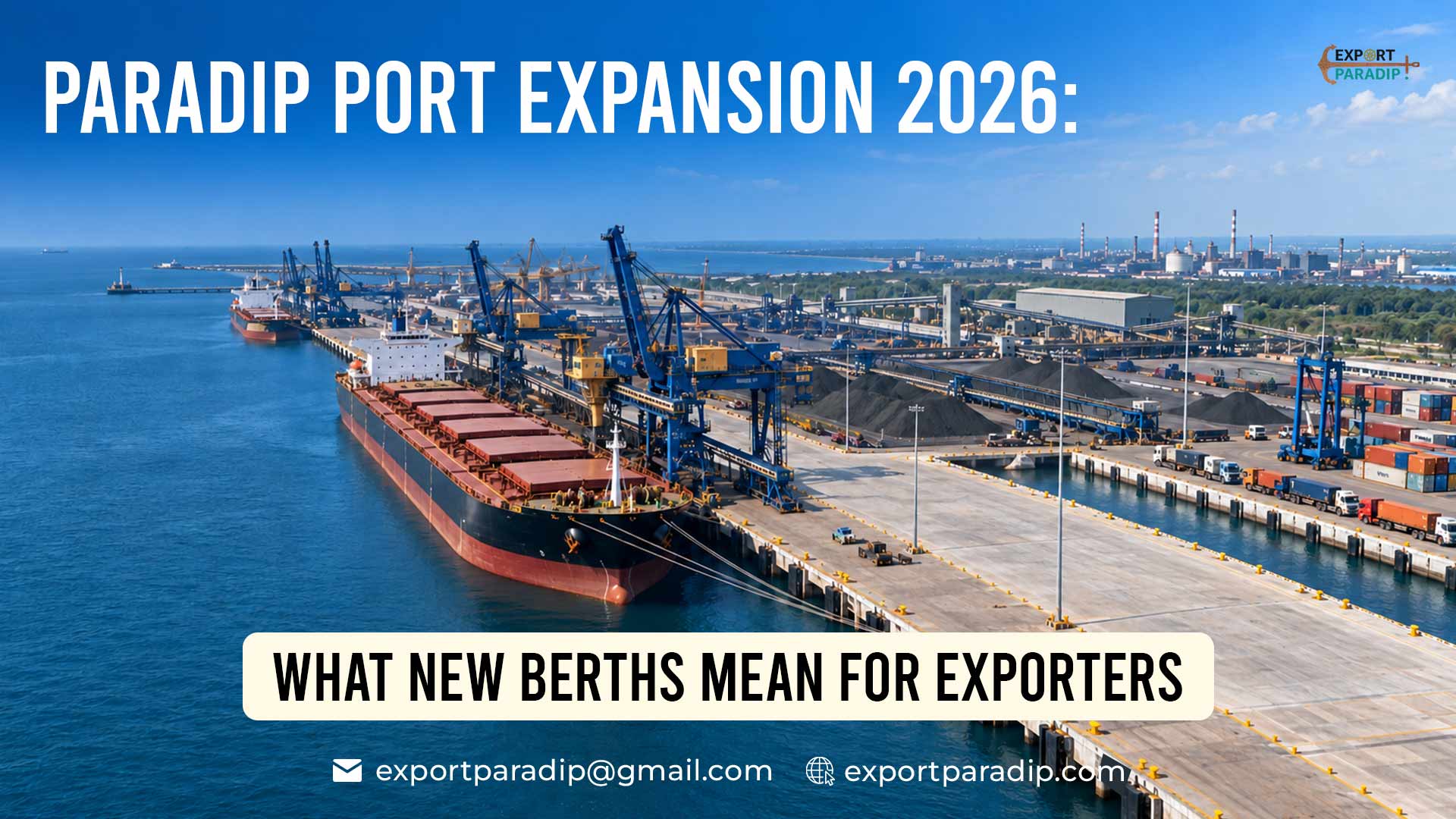
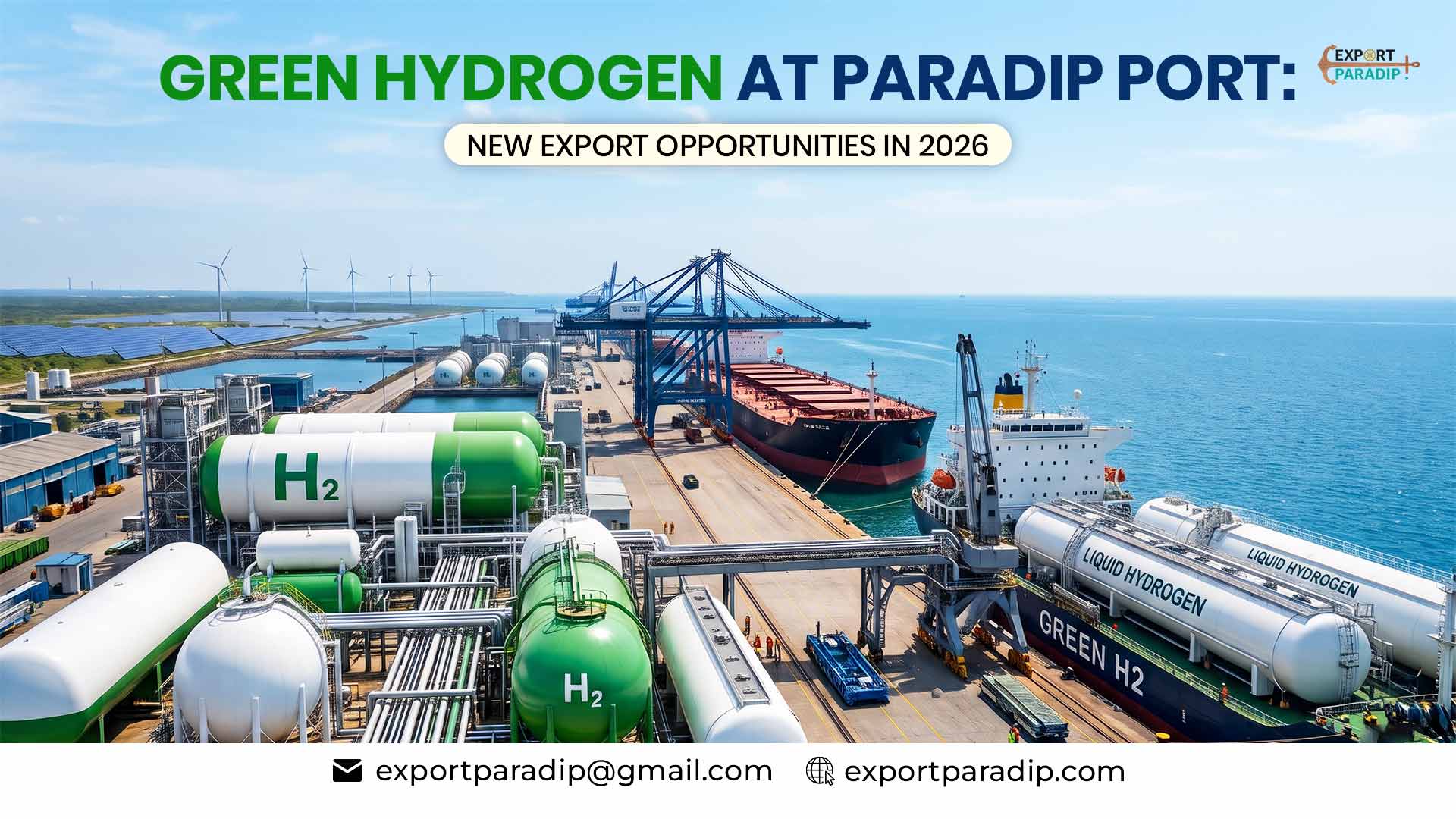
Paradip Port is preparing for a new role in India's clean energy future. Known for handling coal, iron ore and other bulk commodities, the port is now moving towards infrastructure designed to support green hydrogen, green ammonia and specialised liquid cargo. In February 2026, the government approved a ₹797.17 crore project for a dedicated green energy cargo jetty at Paradip. For exporters, manufacturers and logistics companies across Odisha, this development signals a potential new market. But what exactly is changing, and how could it affect future shipping opportunities?
What Is the Green Hydrogen Project at Paradip Port?
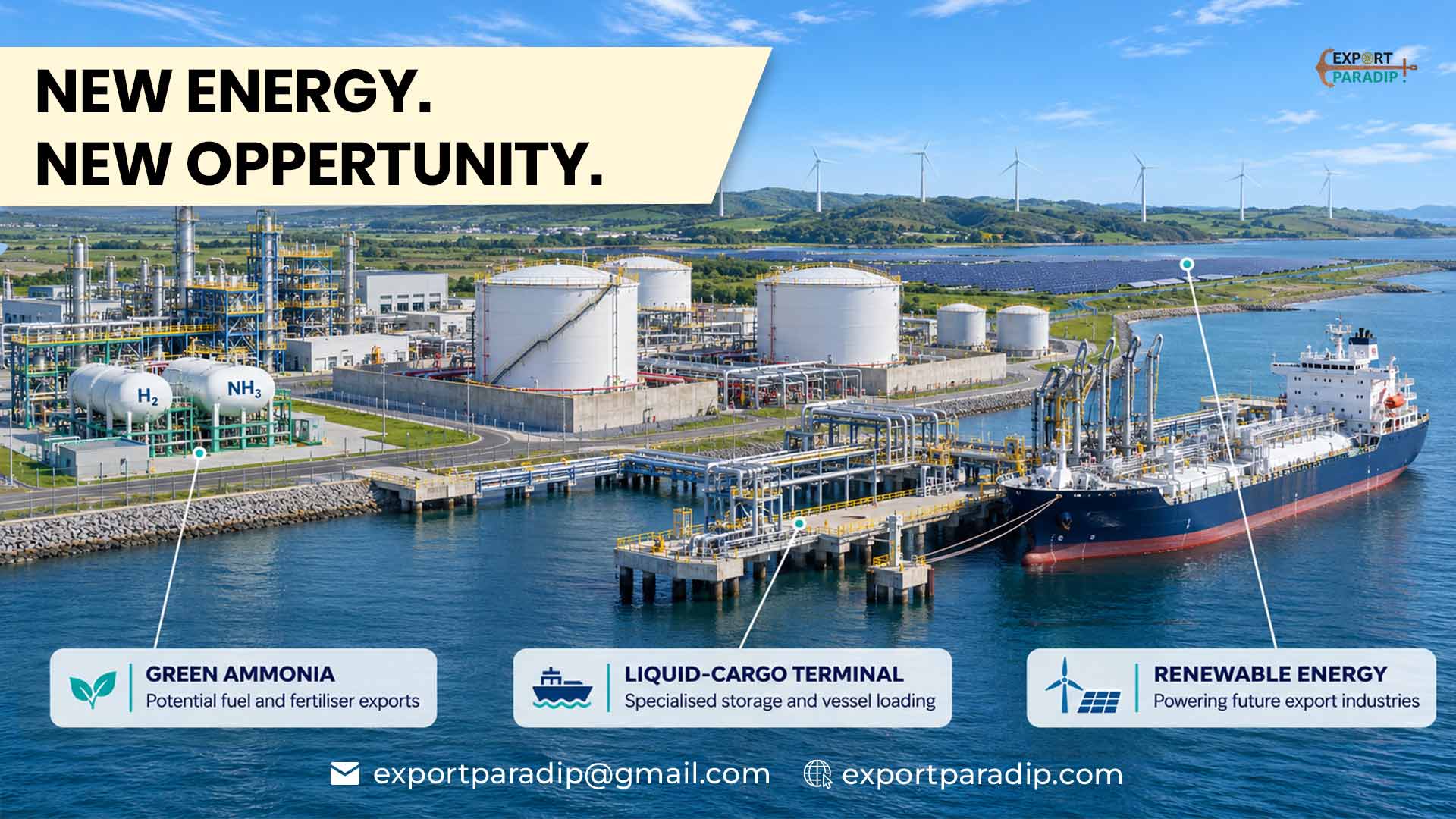
The Ministry of Ports, Shipping and Waterways approved the development of a dedicated jetty with supporting infrastructure for green hydrogen, ammonia and other liquid cargo. According to the Paradip Port Authority, the project has an estimated investment of ₹797.17 crore and a planned annual handling capacity of 4 million tonnes.
The proposed infrastructure includes:
-
A dedicated cargo-handling jetty.
-
Storage facilities for specialised liquid cargo.
-
Pipelines and transfer systems.
-
Cargo-handling equipment.
-
Safety systems for hazardous materials.
The project is planned under a build-operate-transfer model involving private-sector participation. Importantly, this is an approved development project, not confirmation that the terminal is already operational.
Why Green Hydrogen and Green Ammonia Matter
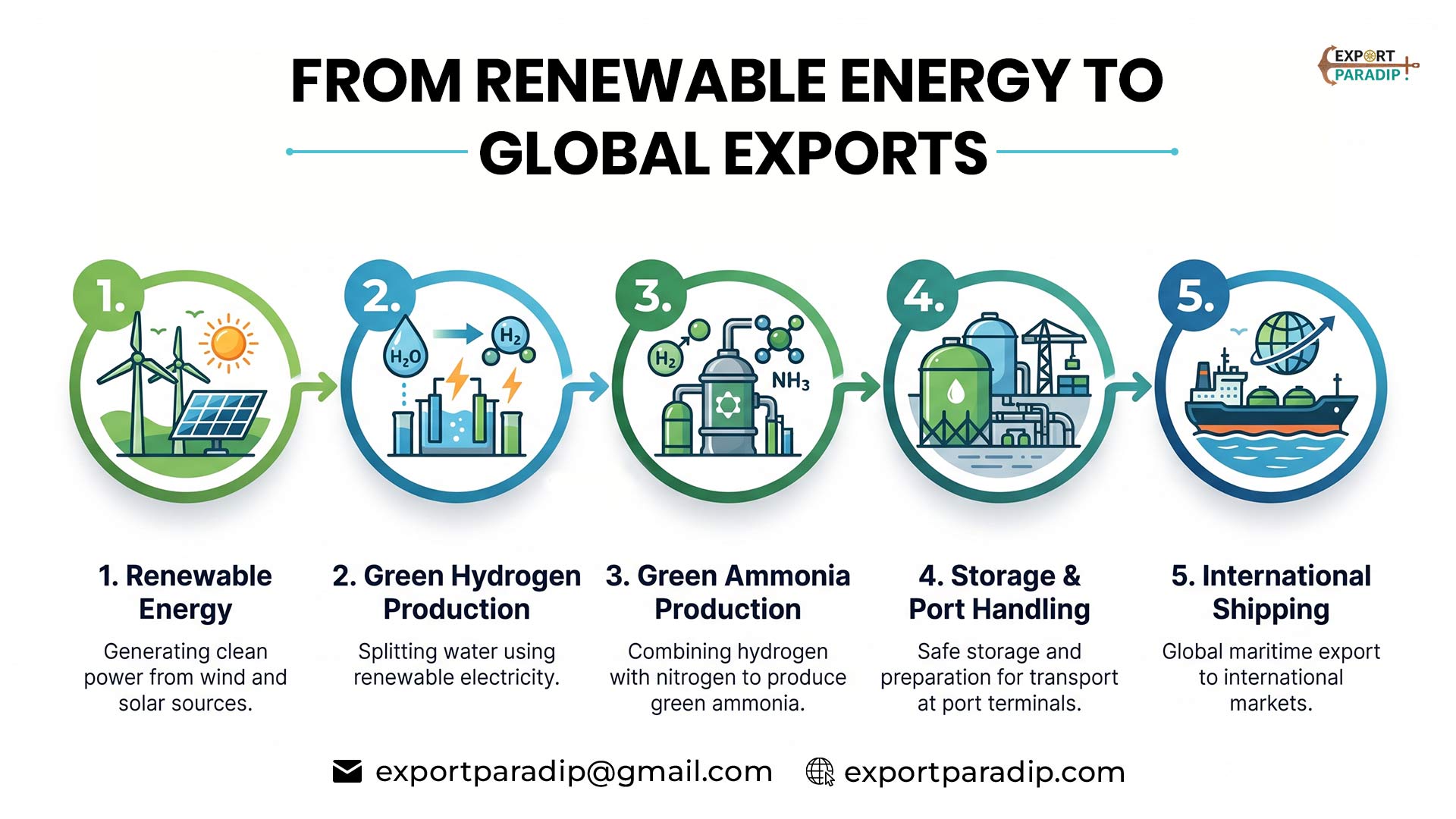
Green hydrogen is produced using renewable electricity to split water into hydrogen and oxygen. It is gaining attention as a potential cleaner energy source for industries that are difficult to decarbonise, including fertiliser manufacturing, steel production and some transportation applications.
Green ammonia is made using green hydrogen and nitrogen. Compared with hydrogen, ammonia can offer practical advantages for certain storage and long-distance transportation applications, although it requires specialised safety measures.
For international trade, this creates an emerging opportunity. As countries explore lower-emission energy and industrial feedstocks, dedicated port infrastructure may become important for future export supply chains.
India's National Green Hydrogen Mission aims to support domestic production and develop the country as a competitive supplier of green hydrogen and its derivatives.
What Does This Mean for Odisha Exporters?
Odisha already has a strong industrial base supported by mining, steel, power and port logistics. Green hydrogen infrastructure could create opportunities for businesses involved in energy production, industrial materials, storage equipment and specialised transportation.
Potential benefits include:
New export markets: Green ammonia and related products could create additional international trade opportunities as demand develops.
Industrial investment: New production and handling facilities may attract manufacturers, contractors and logistics providers.
Specialised shipping services: Future cargo flows could increase demand for approved storage, transport and handling solutions.
Supply-chain development: Engineering firms and industrial service providers may find opportunities linked to new infrastructure.
However, actual export growth will depend on project commissioning, production capacity, buyer contracts, regulations and commercial demand.
What Changed in October 2026?
Paradip's green energy plans gained another development in October. On October 12, 2026, Paradip Port Authority issued an expression of interest for project management consultancy services connected to a proposed ecosystem for green hydrogen, ammonia and methanol production, storage and bunkering.
Bunkering refers to supplying fuel to vessels. This move shows that the port is considering a broader green fuel ecosystem beyond conventional cargo handling. It does not mean production or bunkering services have already begun. Project timelines, technical requirements and operational approvals will determine when facilities become available.
How Could Green Energy Shipping Change Port Operations?
Transporting green ammonia and other specialised energy products requires different infrastructure from conventional dry bulk cargo. Liquid-cargo operations may involve dedicated pipelines, storage tanks, monitoring systems and carefully controlled loading procedures. Ammonia is toxic and requires strict handling safeguards.
Port operators, shipping companies and cargo owners must follow applicable safety, environmental and maritime requirements. For exporters, this means additional attention to cargo classification, approved facilities, documentation, vessel suitability and emergency procedures.
The development could expand Paradip's cargo profile, but specialised facilities must be properly commissioned before commercial operations begin.
How Should Exporters Prepare for These Opportunities?
Businesses interested in the emerging green energy sector can begin preparing now.
1. Follow official project updates. Monitor announcements from Paradip Port Authority and relevant government ministries.
2. Study international market requirements. Understand potential buyer demand, product specifications and certification expectations.
3. Review logistics capabilities. Identify suitable transport, storage and handling requirements for the intended cargo.
4. Understand safety regulations. Specialised energy cargo requires appropriate approvals and professional handling.
5. Build industry partnerships. Explore opportunities with manufacturers, logistics providers and technology companies as projects develop.
For existing shipments, use Export Paradip's Vessel Map and Vessel Line-Up Schedule to support current shipping coordination.
Conclusion: A Future Export Opportunity Worth Watching
Paradip Port's green hydrogen and ammonia plans represent an important direction for Odisha's maritime industry.
The proposed ₹797.17 crore jetty and related infrastructure could eventually support new energy cargo flows, industrial investment and specialised logistics services.
For exporters, the right approach is to stay informed, understand emerging requirements and prepare for opportunities as facilities become operational.
Explore Export Paradip's online services or contact us for information about current export planning.
FAQ's
What is the green hydrogen project at Paradip Port?
It is a government-approved project to develop a specialised jetty and supporting facilities for handling green hydrogen, ammonia and other liquid cargo.
How much investment has been approved?
The estimated project cost is ₹797.17 crore, with a planned handling capacity of 4 million tonnes annually.
Is the green hydrogen terminal operational in 2026?
The project has received approval and progressed through tendering. The available announcements do not establish that the proposed terminal has started commercial operations.
How could this project benefit Odisha exporters?
It could support future green energy exports, specialised logistics services and industrial supply-chain opportunities.
What is the difference between green hydrogen and green ammonia?
Green hydrogen is produced using renewable electricity, while green ammonia is manufactured using green hydrogen and nitrogen. Ammonia can be transported using suitable specialised liquid-cargo systems.