Introduction: The Shipping Costs You Didn't Plan For
You've negotiated your freight rate, arranged transportation and confirmed your buyer's delivery schedule. Everything looks profitable until unexpected container charges appear on your invoice.
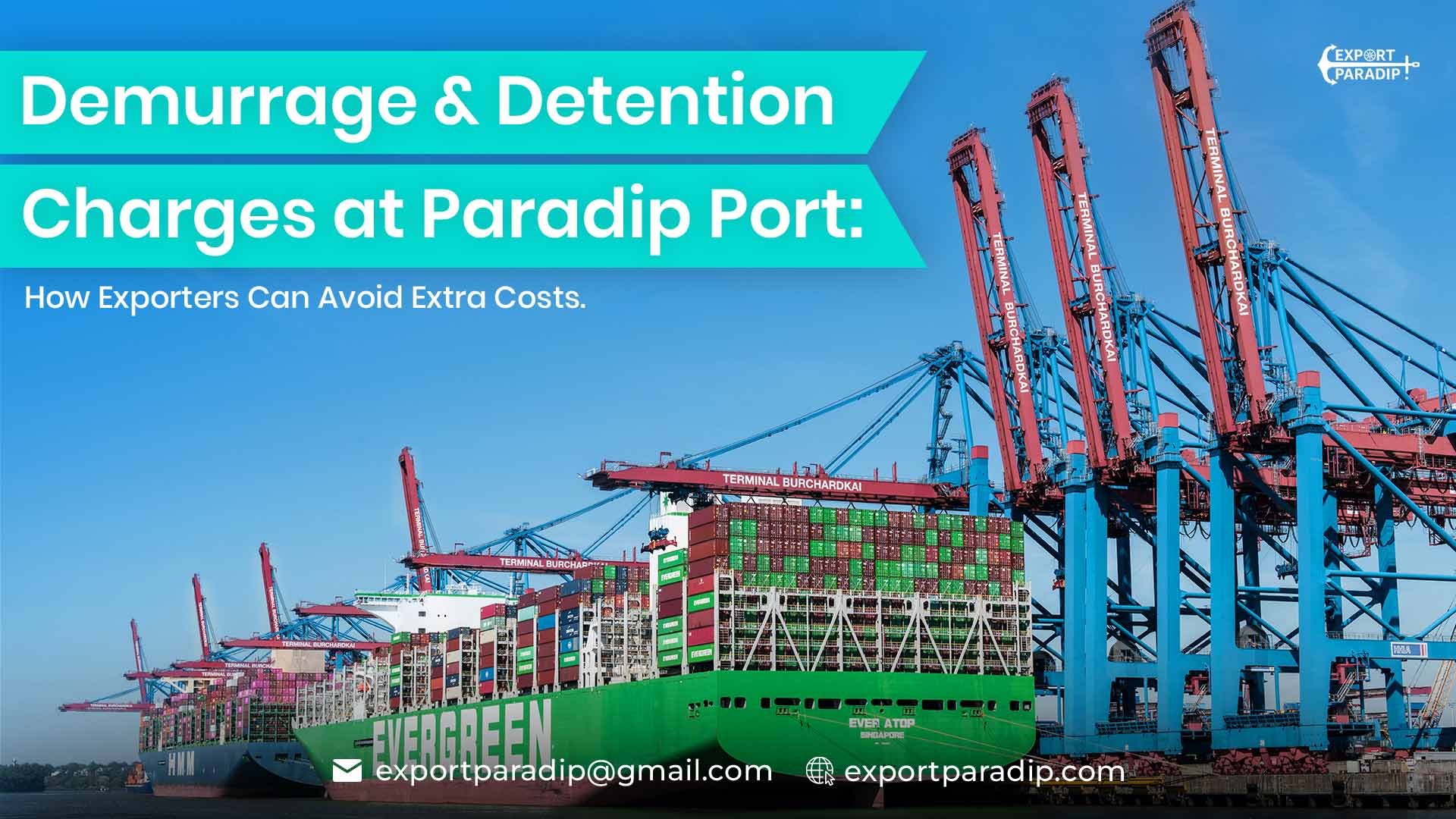
Demurrage and detention charges can turn a well-planned export shipment into an expensive operation. A few extra days spent waiting for documentation, container movement or vessel loading may increase logistics costs and reduce your profit margin.
For exporters shipping through Paradip Port, understanding these charges is an important part of controlling expenses. Whether you're exporting minerals, agricultural products or manufactured goods, knowing when fees begin and how to prevent them can make your shipping process more predictable.
What Are Demurrage and Detention Charges?
Although often mentioned together, demurrage and detention refer to different shipping situations.
Demurrage generally applies when a container remains at a port terminal beyond its permitted free time. For example, if a loaded container cannot move according to the agreed schedule, additional charges may apply depending on the carrier's tariff. Detention generally applies when a shipping line's container remains outside the terminal beyond the agreed free period. For exporters, this can happen when an empty container is collected for stuffing but isn't returned within the permitted time. Both charges depend on shipping-line agreements, equipment type, location and applicable terms. Terminal storage charges may also apply separately. Understanding the difference helps exporters identify exactly where delays are happening and which charges they need to manage.
Why Do Exporters Face Extra Charges at Paradip Port?
Several operational issues can increase the risk of additional shipping expenses.
Documentation delays: Missing or incorrect shipping documents may prevent timely customs clearance or cargo movement.
Transport delays: Truck availability, road congestion or coordination problems can interrupt container collection and terminal delivery.
Vessel schedule changes: Delayed arrivals, revised loading windows or missed cut-offs can leave containers waiting longer than expected.
Customs examinations: Additional inspections can extend processing time, particularly when supporting documents aren't immediately available.
Weather disruptions: Heavy rainfall and cyclone warnings along Odisha's coast can affect transportation and port activities.
These situations do not automatically create demurrage or detention liability. The actual charges depend on applicable free-time arrangements and tariff conditions.
How Container Free Time Works
Free time is the period during which a container can be used or remain at a designated location without certain additional charges.
Shipping lines establish different free-time arrangements depending on the booking, equipment and service. Charges may begin once the applicable period expires.
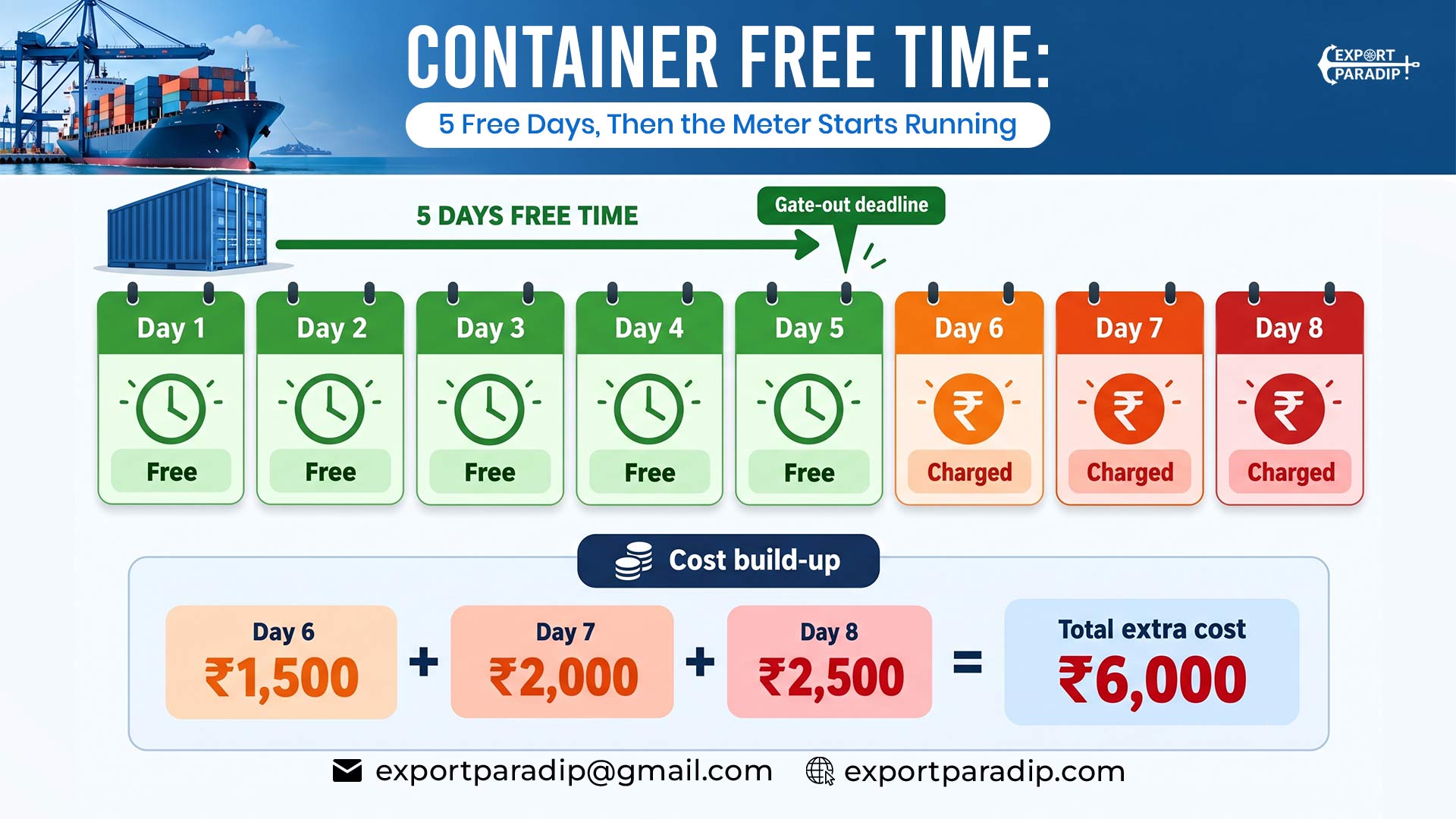
Consider a hypothetical example:
An exporter receives five free days for a particular container movement. Due to unexpected transport problems, the equipment remains in use for eight chargeable-calendar days measured from the agreed starting point, including the five free days.
That means three days exceed the allowance.
If the hypothetical charge is ₹2,000 per additional day, the exporter faces ₹6,000 in extra costs. Actual billing may use escalating daily rates, different counting rules and separate tariffs.
Before booking, confirm the free-time period, calculation method and charges in writing. You can also review the Paradip Port Authority's published port charges for applicable terminal-related tariffs.
How to Avoid Demurrage and Detention Charges
Preventing unnecessary charges begins before the container reaches the factory or port.
1. Confirm free-time terms before booking. Ask your shipping line or freight forwarder about equipment availability, permitted free days, return deadlines and potential extensions.
2. Prepare export documents early. Keep invoices, packing lists, shipping instructions and required regulatory documents ready. Use the Export Documentation Checklist to support preparation.
3. Coordinate container stuffing and transportation. Schedule loading activities, truck movement and terminal delivery around confirmed operational deadlines.
4. Monitor vessel schedules. Check the Vessel Map and Vessel Line-Up Schedule for planning information. Confirm critical cut-offs directly with your carrier or terminal.
5. Communicate when problems appear. Inform your freight forwarder, shipping line and transport provider immediately if a delay becomes likely.
What Happens When Your Shipment Is Already Delayed?
Once a delay occurs, quick communication becomes essential. First, identify whether the container is inside the terminal, outside the terminal or awaiting an operational clearance. Then confirm the remaining free time and ask for a written estimate of potential charges.
Contact the responsible shipping line or terminal operator to discuss available options. Depending on the circumstances, additional free time, revised arrangements or a waiver request may be possible, but approval is not guaranteed.
Keep records of emails, gate movements, operational notices and documentation submissions. These can support discussions about disputed charges. Finally, update your overseas buyer if the delay affects the expected shipment or delivery schedule.
Why Better Shipping Planning Protects Export Profit
Unexpected container costs affect more than an individual invoice. They can reduce margins, disrupt cash flow and create uncertainty when quoting future shipments.
Exporters can reduce their exposure by monitoring schedules, confirming commercial terms, preparing documents and coordinating cargo movements carefully.
For seasonal shipping risks, our Cyclone Season Shipping Guide explains how adverse weather can affect cargo schedules.
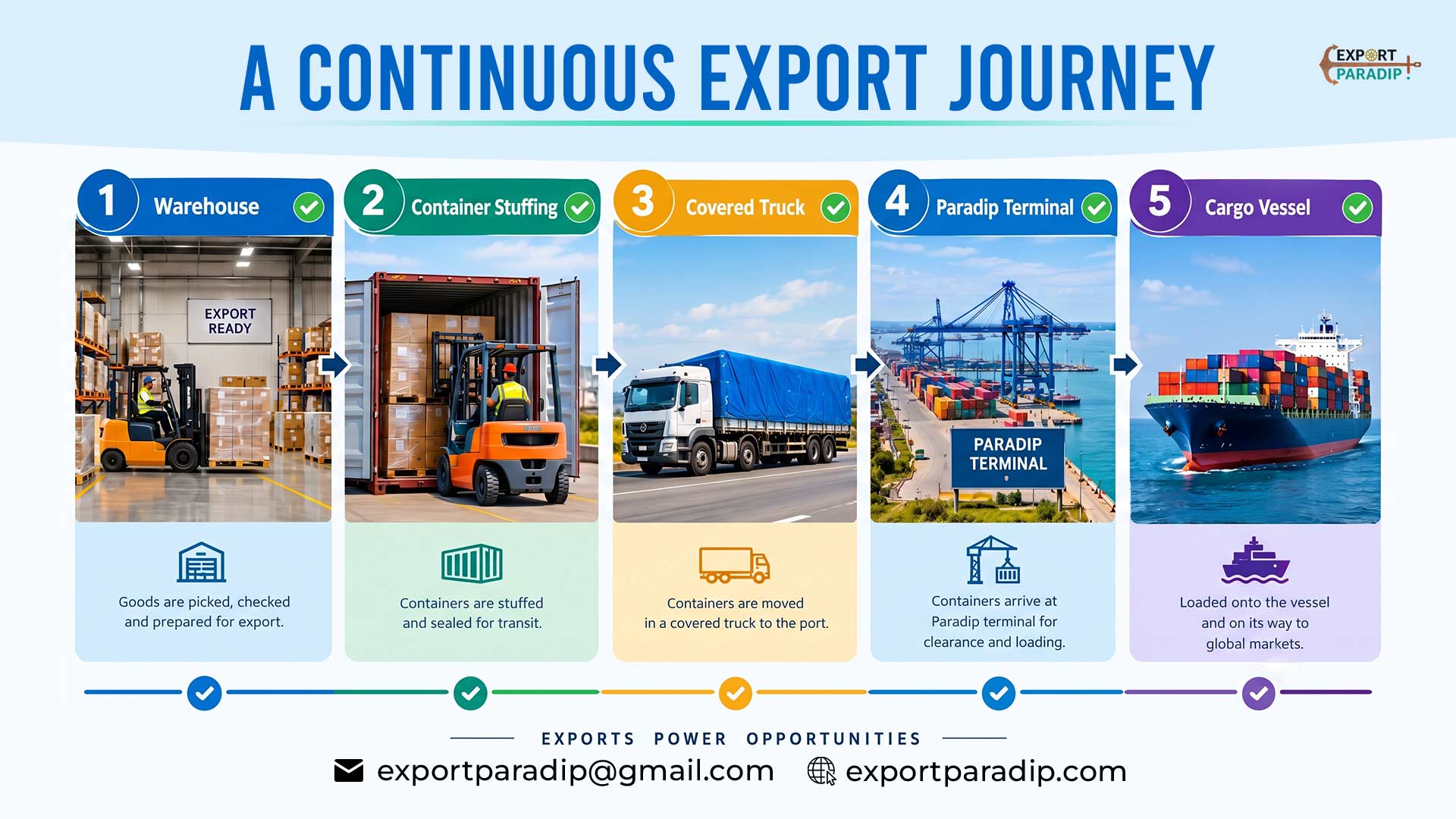
Conclusion: Control Delays Before They Become Expenses
Demurrage and detention charges are not always avoidable, but many preventable delays can be reduced through organized planning. Before your next shipment, confirm free time, prepare documentation, coordinate transportation and monitor vessel schedules.
Explore Export Paradip's online shipping tools or contact our team for information about planning your next export shipment.
FAQ's
What is the difference between demurrage and detention?
Demurrage generally relates to containers remaining at terminals beyond permitted free time, while detention generally concerns containers kept outside the terminal beyond their agreed allowance.
How many free days do exporters receive at Paradip Port?
There is no single universal allowance. Free time depends on the shipping line, booking terms, container type and applicable tariffs.
Can exporters request a waiver of demurrage charges?
Yes, exporters may request a waiver or adjustment, but approval depends on the carrier, contractual terms and supporting circumstances.
Can cyclone-related delays result in extra container charges?
They can, depending on the applicable terms and whether free-time extensions or special concessions are available.
How can exporters reduce detention charges?
Plan container pickup, stuffing, transport and terminal return carefully. Confirm deadlines and communicate early when delays are likely.