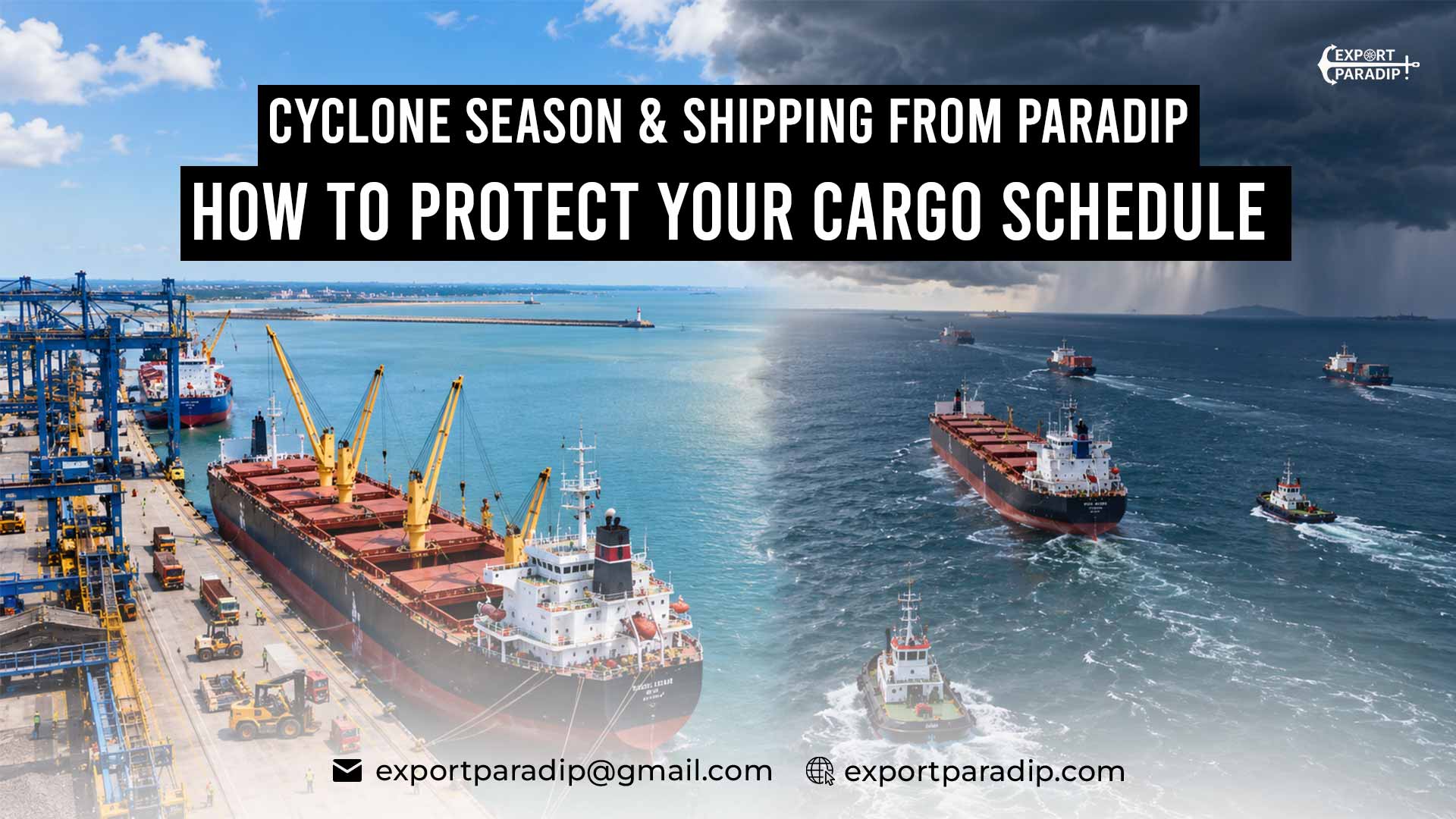
Sourcing seafood from overseas is stressful. You're never fully sure the shrimp will still be fresh when it clears customs, or whether some paperwork issue will hold the whole shipment up at the port. A few hours of delay, or one missing certificate, can turn a good shipment into a loss.
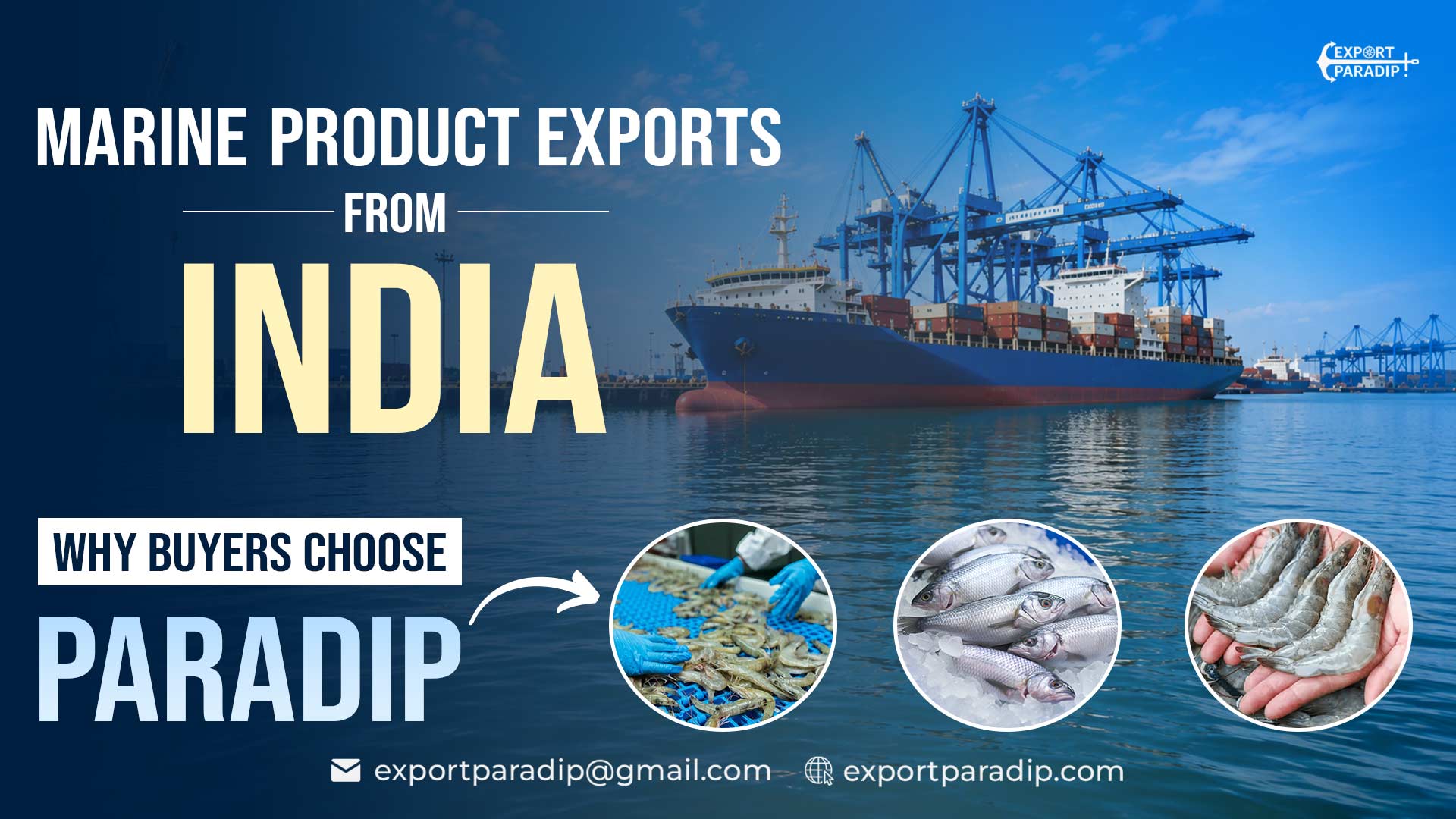
That's a big part of why more buyers have been sourcing from Paradip on India's east coast. There are a few practical reasons behind it.
Location helps more than people realize
Paradip is close to some of the strongest marine production areas in coastal Odisha, the shrimp farms, fishing grounds & processing units aren't far off. That short distance matters a lot for seafood. Less time between catch & port means fewer temperature swings & a fresher product by the time it's loaded. Anyone who's dealt with suppliers where the catch has to travel hundreds of kilometers before reaching a port knows how much that adds up.
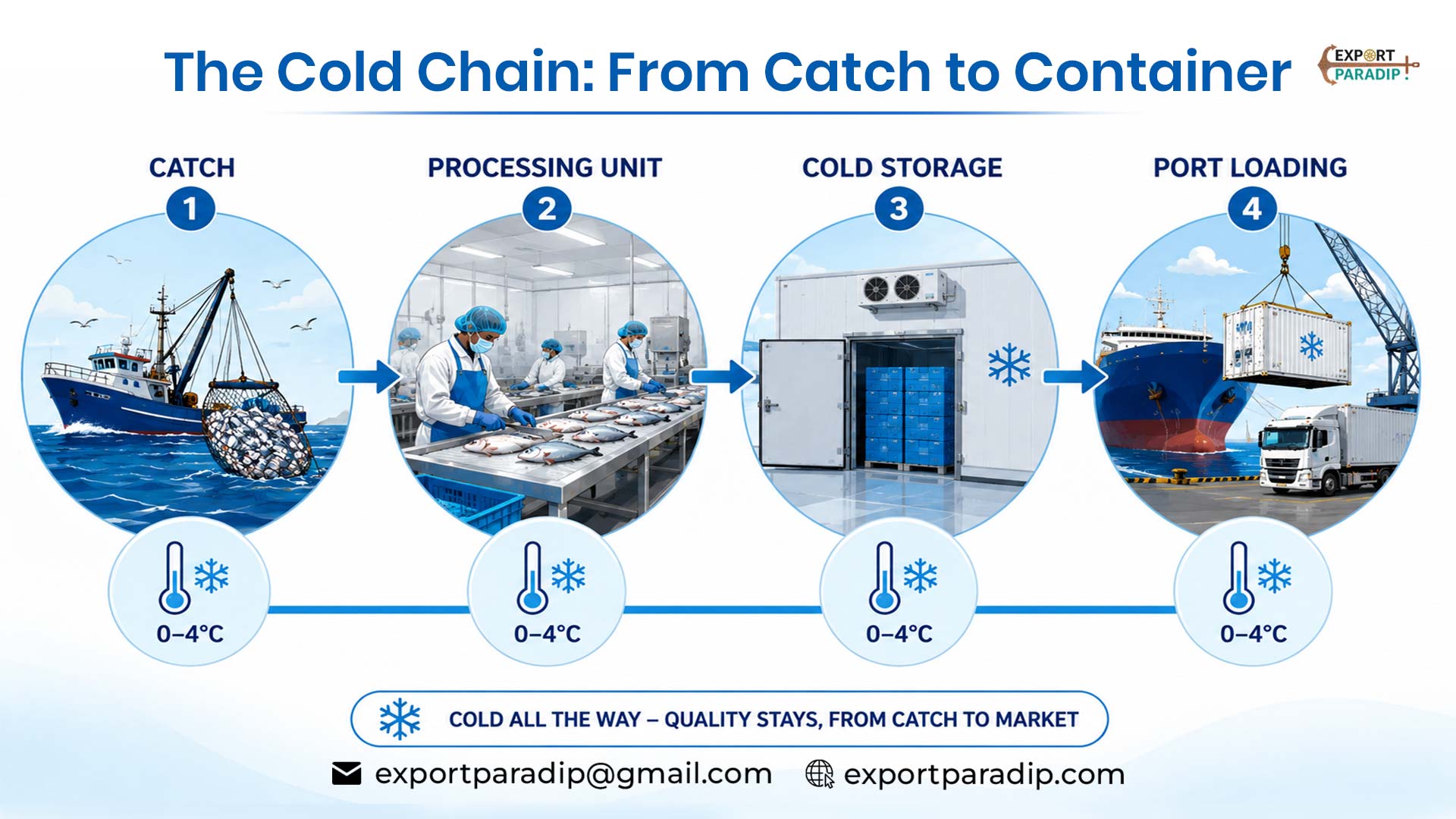
Cold chain that's set up properly
The processing & freezing infrastructure around Paradip is well developed, cold storage, grading facilities & pre-shipment inspection are all close to the port instead of scattered inland. That keeps the product at the right temperature the whole way through, which matters a lot to buyers in the EU, US & Japan who are strict about this.
You can actually track your shipment
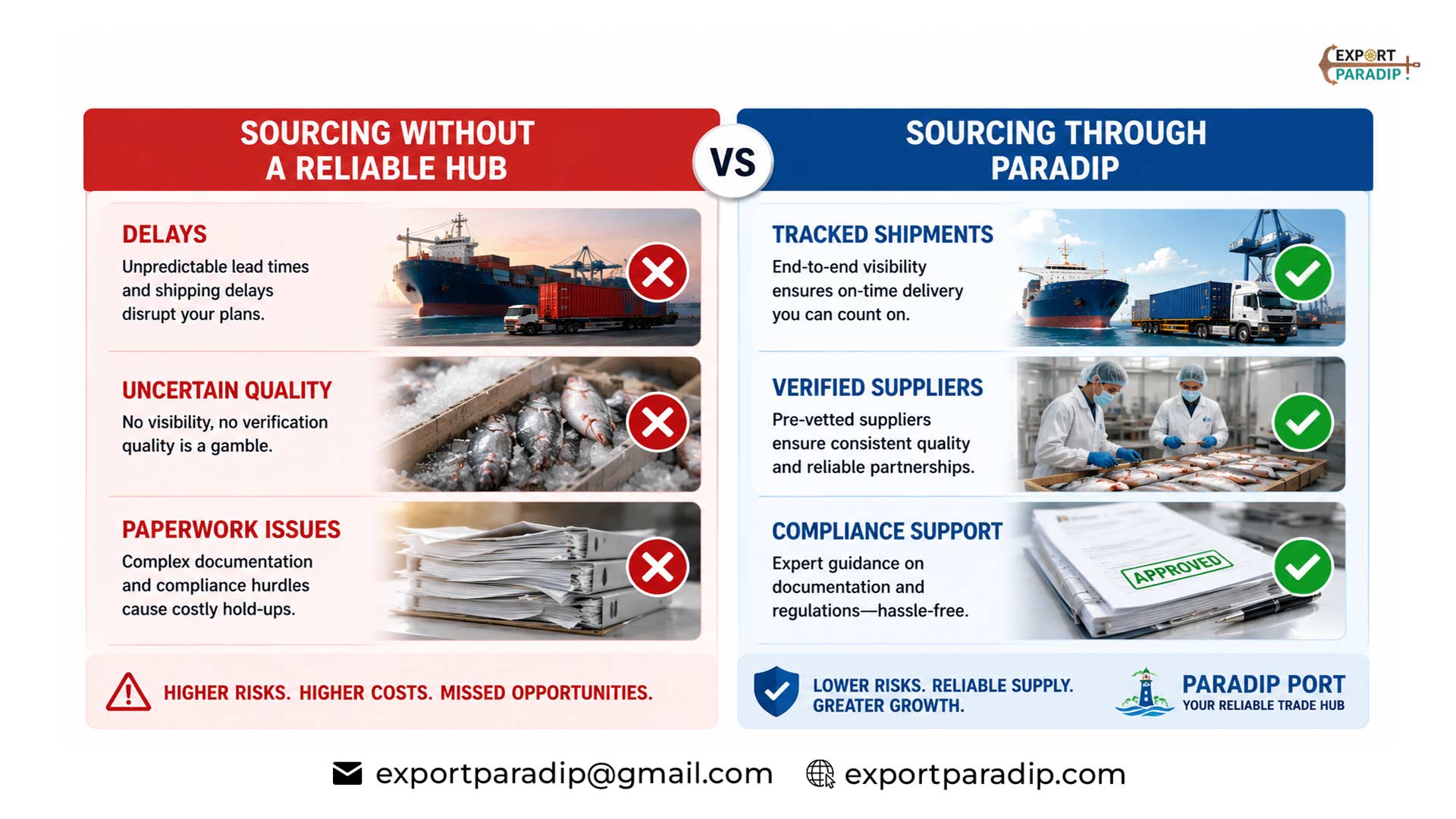
A common problem with importing seafood is not knowing what's going on with your cargo until it's too late to do anything about it. Export Paradip gives buyers & exporters a way to check this directly, the Paradip Vessel Map shows where ships currently are & the Vessel Line-Up Schedule shows when loading windows are coming up.
Paradip Vessel Map → exportparadip.com/online-services/vessel-map
Vessel Line-Up Schedule → exportparadip.com/online-services/vessel-line-up-schedule
Being able to plan around a real schedule instead of guessing makes a real difference for a perishable product.
Suppliers you can trust
New sourcing relationships are risky because buyers often don't really know who they're dealing with until something goes wrong. Export Paradip vets producers & processors ahead of time, helps set up sample coordination & keeps communication open between buyer & seller. That's what turns a one-off order into a relationship that lasts.
Paperwork done right
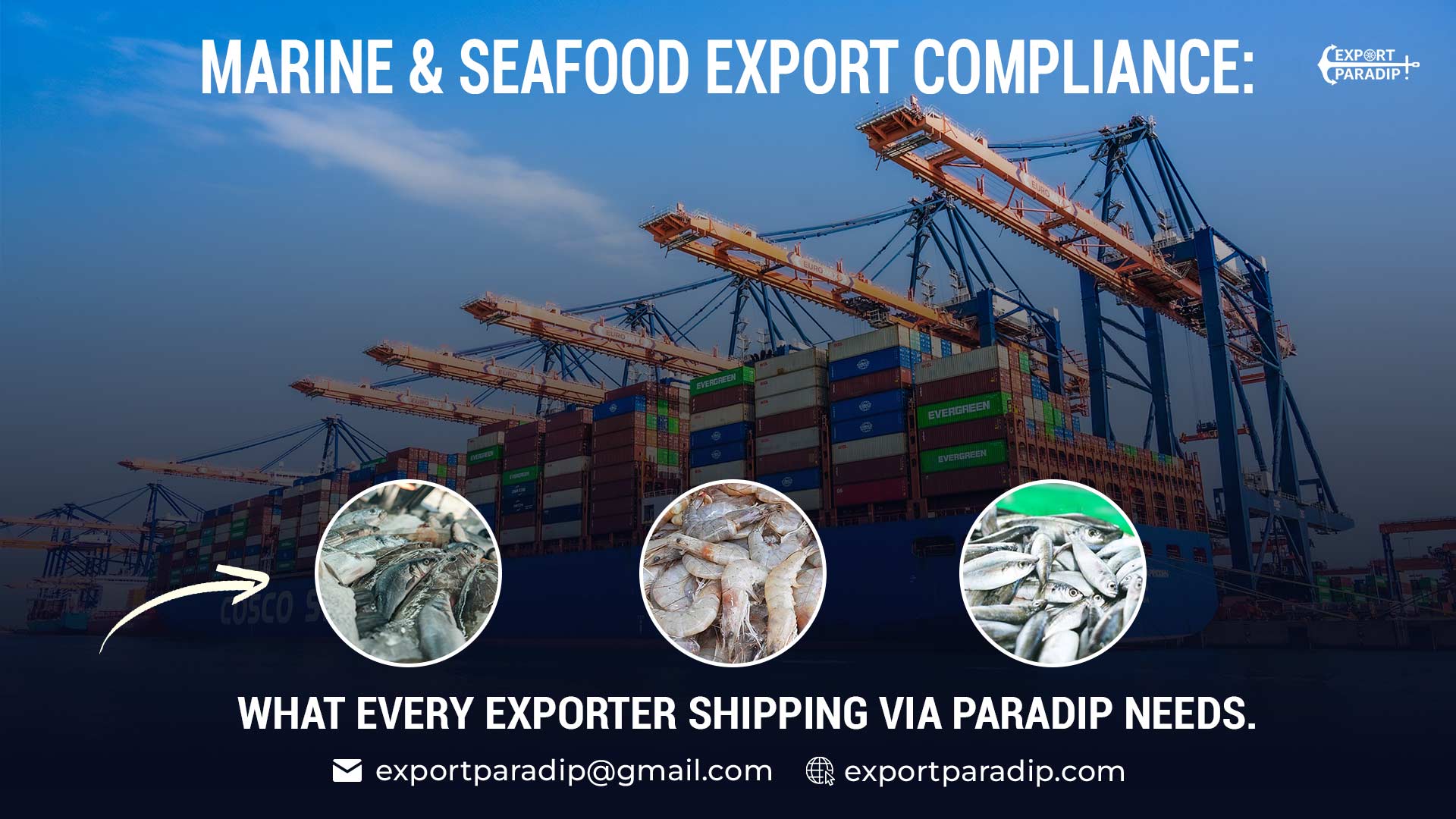
Seafood exports come with their own documentation, health certificates, HACCP compliance, catch certificates for EU shipments, packaging rules that change by destination country. Get any of this wrong & the shipment can sit at customs losing value. Export Paradip's team handles this so exporters & buyers don't get stuck on something avoidable.
Where the product goes
US buyers mostly want frozen shrimp & value-added seafood & they're strict about FDA & HACCP standards. The EU cares a lot about traceability & catch certification. Japan is particular about grade & consistency. Southeast Asia & the Middle East benefit just from geography, since Paradip's location on the east coast means shorter shipping routes. The requirements change by market, but the basics, freshness, paperwork, reliability, stay the same everywhere.
There's a community behind this too
Every shipment starts with a fishing community or a small processing unit trying to get fair value for their catch. When the export process is set up properly, more of that value actually reaches them instead of getting absorbed by middlemen along the way. Building up Paradip's marine export system isn't just useful for buyers, it matters for the people doing the actual work on the coast.
Why this works
Buyers don't pick a sourcing location because it sounds good on paper. They pick it because shipments arrive on time, the quality holds up & the paperwork doesn't cause problems. That's what Paradip has built a track record on & Export Paradip's tools make the process easier to see & manage for everyone involved. If you're sourcing marine products & dealing with unreliable suppliers, get in touch. Happy to talk through what this could look like for you.
FAQ's
Why do buyers prefer sourcing seafood from Paradip?
Shorter distance from catch to port, solid cold chain setup, real-time shipment tracking, and suppliers who've already been vetted.
What marine products move through Paradip?
Shrimp, prawns, pomfret, mackerel, tuna, crabs, squid, and various frozen value-added seafood products.
How does Export Paradip help avoid shipment delays?
The Vessel Map and Line-Up Schedule show real vessel movement and loading windows, so buyers can plan instead of guessing.
What certifications are usually needed?
Health certificates, HACCP compliance, catch certificates for EU shipments, and packaging compliance specific to the destination, all supported by the Export Paradip team.
Can new buyers connect with verified suppliers?
Yes, Export Paradip sets up verified connections, coordinates samples, and helps build sourcing relationships that actually last.